
P2P | 07 October 2026 | 0.5 MB
我在2000年2月的SOS杂志上评测M•One时,就发现它操作直观,拥有丰富的优质混响和效果器,配置选项极其灵活,接口也十分全面。事实上,就这个价位而言,这台机器几乎无可挑剔,只有在对比小型房间混响时,它才略逊于价格相近的Lexicon MPX500。
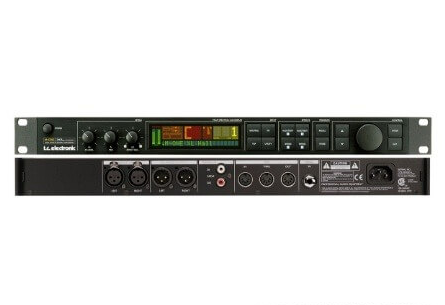
然而,TC Electronic最近推出了M•One的XL版本,在英国的售价与原版相同。新机器的大部分外观和信号处理结构都与原版相同,因此我在这里只重点介绍其变化和新增功能。外观上
唯一明显的改变是新的M•One XL标识以及用XLR模拟输入/输出接口取代了原版的TRS接口。菜单选项允许您将左声道输入信号同时发送到两个声道——此前,这是通过TRS接口自动切换实现的。
再来看预设程序列表,XL 的预设程序数量是原版的两倍,包含 200 个出厂预设程序和 100 个用户自定义程序。实际上,出厂预设程序 101 到 200 与标准版 M•One 的相同,但从预设程序 1 到 100 新增了 100 个程序。
一如既往,把这笔钱留到将来使用。
When I reviewed the M•One back in SOS February 2000 I found it to be intuitive to use, with a good range of quality reverbs and effects, extremely flexible configuration options, and comprehensive interfacing. In fact, the machine was (and remains) hard to fault at the price, and only when comparing small room reverbs did it give any substantial ground to the similarly priced Lexicon MPX500.
However, TC Electronic have recently introduced a new XL version of the M•One, priced the same as the original in the UK. The majority of the new machine’s physical form and signal processing structure remains identical, so I will highlight only the changes and new functions here.
The only obvious physical changes are the new M•One XL badge and the XLR analogue I/O in place of the original’s TRS sockets. A menu option lets you feed the left input to both channels — previously done by automatic switching on the TRS sockets.
Turning to the list of presets, the XL offers twice as many as the original machine, with two hundred factory presets plus a hundred user memories. In fact, factory presets 101 to 200 are identical to those of the standard M•One, but a hundred new programs have been introduced from preset one to 100.
As always keep that save for the future till the day comes.
![[打击乐合成器] Liljeholmen DSP TRUMSYNT-KIT v1.0.0 Incl Patched and Keygen REPACK-R2R [WiN]](https://www.shuziyinpin.vip/wp-content/uploads/2026/10/TRUMSYNT-KIT.jpg)
![[BFD3鼓组插件+核心库] BFD Drums BFD3 v3.5.1.5-R2R [WiN]](https://www.shuziyinpin.vip/wp-content/uploads/2026/04/bfd-drums-bfd3.jpeg)
![[智能自动增益 经典唱片模拟效果插件] Tone Empire Cryptone v2.0.1 U2B-MORiA [MacOSX]](https://www.shuziyinpin.vip/wp-content/uploads/2026/10/Cryptone-2.png)
![[MPC风格虚拟鼓机] Apisonic Audio Speedrum 2 v2.4.0 Regged / v2.3.2-R2R [WiN, MacOSX, LiNUX]](https://www.shuziyinpin.vip/wp-content/uploads/2026/10/apisonic-audio-speedrum-2.jpeg)
![[更新:综合效果器套装(含Atlas Reverb混响)] Waves Ultimate 17 v26.10.07 [WiN, MacOSX]](https://www.shuziyinpin.vip/wp-content/uploads/2026/06/Waves-Ultimate-17.png)
![[旗舰级专业母带处理插件] AP Mastering Dogma v3.2.0 Incl Patched and Keygen-R2R [WiN]](https://www.shuziyinpin.vip/wp-content/uploads/2026/09/ap-mastering-dogma-.png)

评论0